

In the exciting and heat-filled world of steel, petrochemical, and power plant industries, energy conservation and equipment safety are like oxygen for production. When temperatures exceed 1000°C, conventional insulation gives up; that’s where ceramic fiber blankets step in as a vital engineering solution. But what are insulation blankets? And why do engineers prefer modern solutions over traditional methods? In this article from Klevers Aryana, we’ll go beyond simple definitions to explore the technical structure and strategic advantages of this material.
What is an Insulation Blanket? (Definition and Structure)
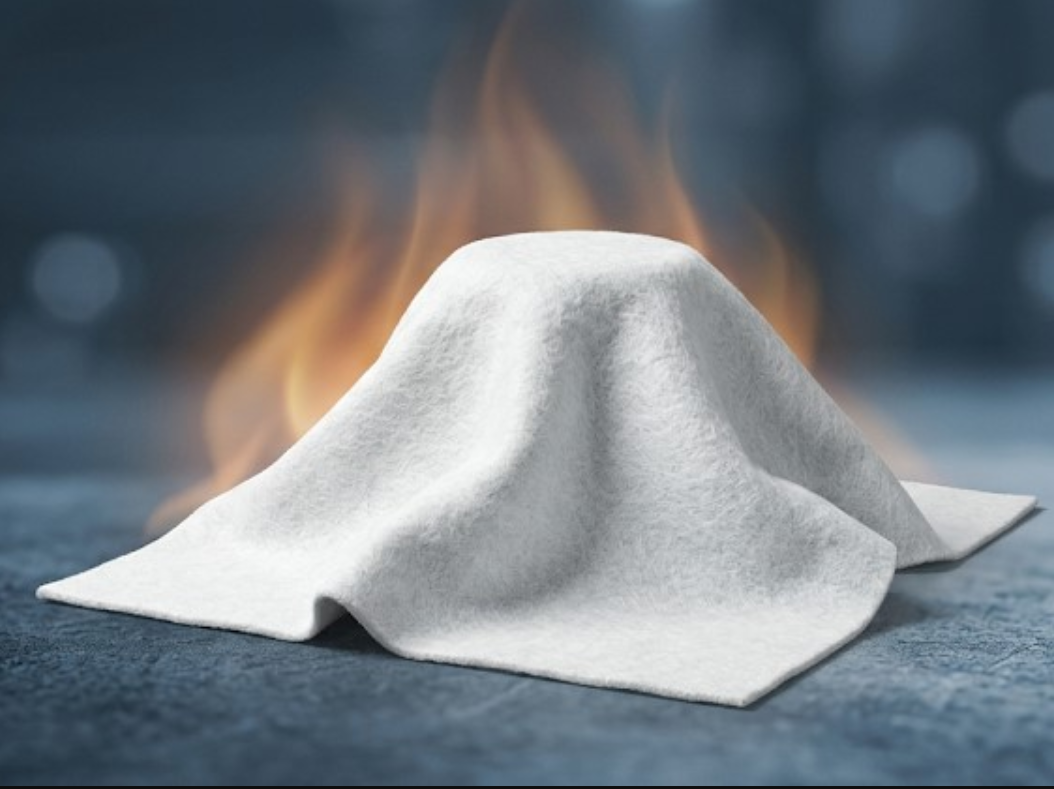
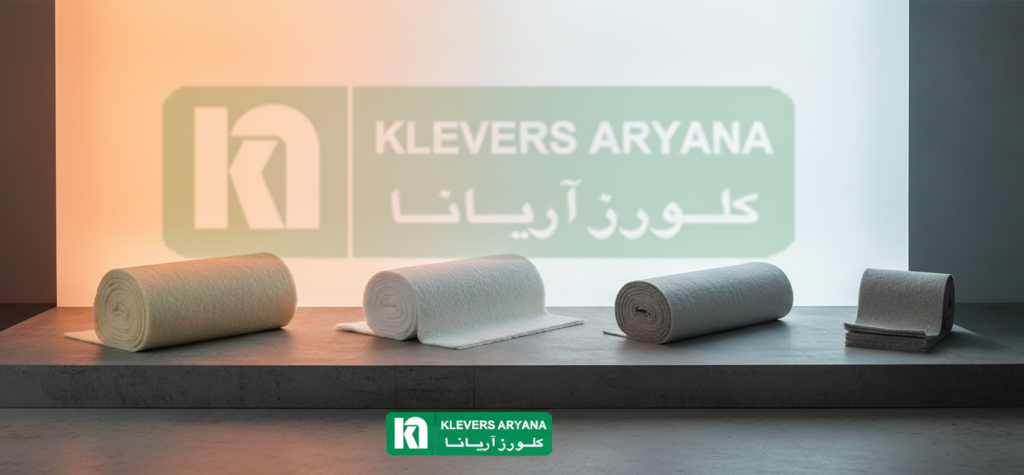
An insulation blanket (Refractory Blanket) is a type of fibrous thermal insulation designed to withstand extremely high temperatures (often exceeding 1000°C) while maintaining its mechanical and chemical properties. Unlike refractory castables or bricks with their rigid, hard structure, the insulation blanket offers high flexibility, making it ideal for covering curved surfaces and pipes.
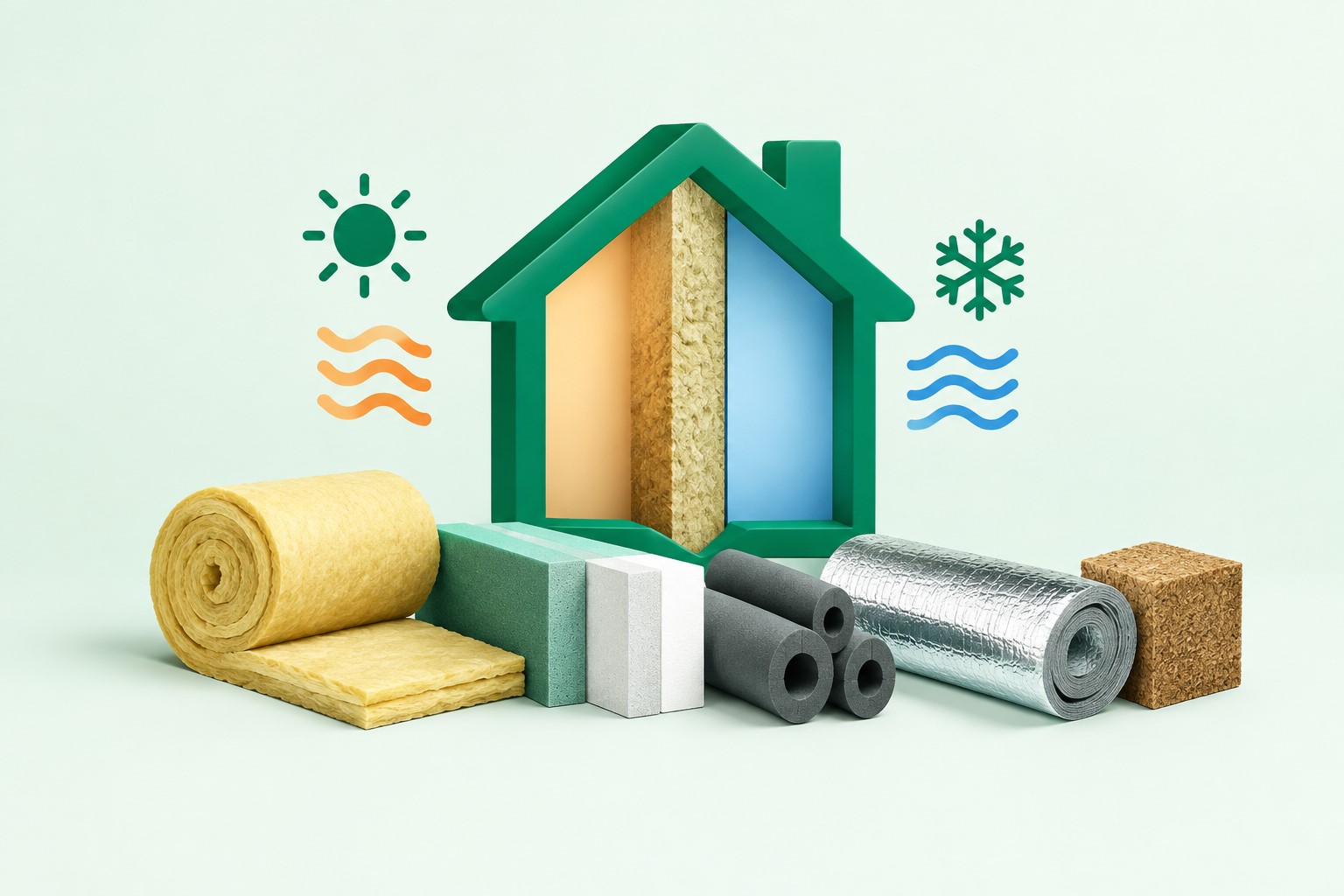
This product is typically manufactured through a “melt blowing” or “fiber spinning” process. The porous structure of these blankets traps air bubbles inside, leading to a significant reduction in heat transfer. If you’re looking for a deeper understanding of the insulation concept, we suggest reading our specialized article on Industrial Thermal Insulation.
The Ceramic Insulation Blanket
In reality, insulation blanket is a general category that includes glass fiber, silica, and ceramic blankets. So why, when the term “insulation blanket” is mentioned in the market, does it usually refer to the ceramic blanket? Because of the superior ability of ceramic fibers to withstand extreme temperatures (up to 1430°C). To precisely learn about the types and technical specifications of this product, you can refer to the comprehensive guide Ceramic Blanket: Types, Applications, and Buying Guide.
Key Advantages of Using Insulation Blankets in Industries
Why do modern industries prefer ceramic fiber blankets over older insulation like firebricks? The technical and economic reasons are:
1. Resistance to Thermal Shock
One of the biggest challenges for furnaces is rapid temperature rise and fall. Firebricks crack under sudden temperature changes, whereas the insulation blanket endures expansion and contraction without destruction, thanks to its flexible fibrous structure.
2. Significant Reduction in Structural Weight
The density of an insulation blanket is much lower compared to castable and brick. This significantly reduces the dead load on the furnace or pipe structure, preventing stress on the structural framework.
3. Energy Savings and Reduced Operational Costs
The low thermal conductivity coefficient in insulating ceramic blankets minimizes heat loss. This means lower fuel consumption to reach the desired temperature. To better understand the impact of this topic, read the article Advantages of Ceramic Blankets: The Importance and Impact of Ceramic Blankets in Increasing Productivity.
Comparison table between insulation blanket and firebrick:
| Property | Insulation Blanket (Fibrous) | Firebrick (Stone-like) |
|---|---|---|
| Flexibility | Very high (suitable for curved surfaces) | Not flexible (rigid and hard) |
| Thermal Shock Resistance | Excellent (without cracks) | Poor (sensitive to temperature changes) |
| Specific Weight | Light (32 to 128 kg/m³) | Heavy (more than 2000 kg/m³) |
| Installation | Quick and easy (bolts and adhesives) | Time-consuming (mortar and grouting) |
| Thermal Conductivity | Low (better insulator) | Relatively high |
Wide Applications of the Ceramic Insulation Blanket
Due to the mentioned properties, the insulation blanket plays a role in multiple sectors:
- Steel and Foundry Industry: Insulating the floor and roof of induction and electric arc furnaces.
- Power Plant, Petrochemical, and Refinery Industries: Insulating reactors and hot fluid transfer pipes.
- Pottery and Ceramic Industry: Lining tunnel and rotary kilns.
- Utilities and Boilers: Covering steam boilers and industrial burners.
Many plant managers have critical technical questions in mind before making a decision. In an article titled Insulation Blanket: 7 Vital Questions Before Purchase You May Not Have Heard Before!, we answered these queries, and reading it is very beneficial for buyers.
Technical Tips for Choosing and Installing the Ceramic Insulation Blanket
Choosing the right blanket does not depend solely on temperature tolerance. Criteria like density and thickness affect insulation quality.
- Density: Higher density usually means better mechanical resistance and lower heat transfer. The standard density is typically 128 kg/m³.
- Surface Density: More compressed blankets are more suitable for areas exposed to mechanical wear (like the furnace door).
Also, during installation, it is essential to use proper tools and wear personal protective equipment (such as gloves and a mask) to prevent fiber contact with skin and the respiratory system.
About Klevers Aryana Company
Klevers Aryana Company, with over two decades of experience, is a pioneer in the supply and production of the most specialized refractory materials, thermal insulations, and industrial sealing systems in Iran. We pride ourselves on being the exclusive agent for prestigious global brands, and by utilizing the latest European technical knowledge, we manufacture and supply various types of insulation (ceramic) blankets with the highest quality standards for the country’s critical industries.
The technical team at Klevers Aryana Company is fully prepared to provide specialized consultation and design optimal insulation systems, to take an effective step towards reducing energy consumption and increasing your manufacturing unit’s productivity.
For a free consultation and to receive product prices, contact our experts now.