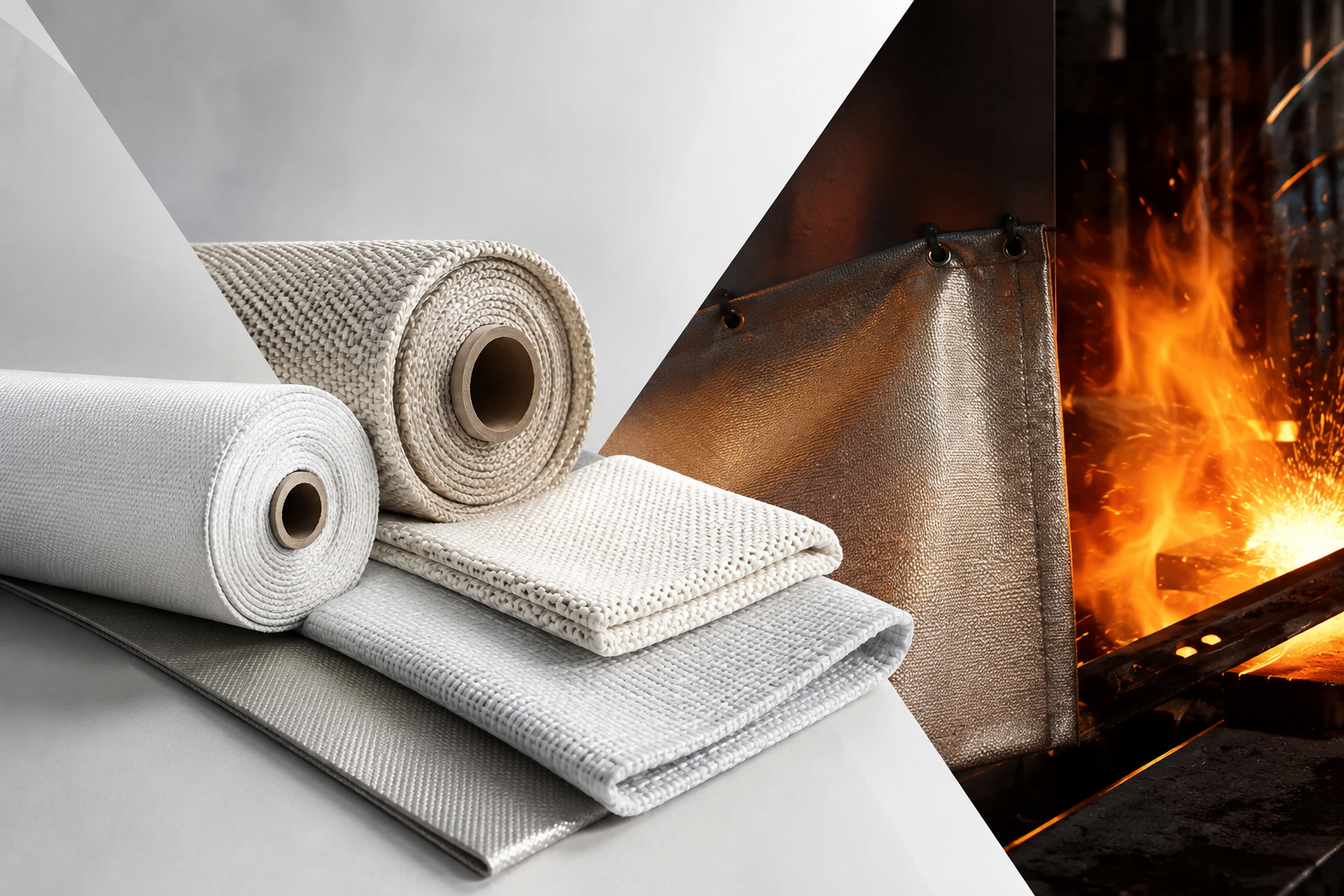

In the oil, gas, petrochemical, steel, and power industries, equipment such as furnaces, hot fluid transfer pipes, and welding stations are constantly exposed to very high temperatures and sparks. Refractory fabric is exactly the material that protects equipment, personnel, and the surrounding environment in such conditions. But what is refractory fabric, how many types are there, and what points should you consider when purchasing? The content team of Klevers Ariana, as a direct manufacturer of refractory materials and thermal insulations, has gathered everything you need to choose the right industrial refractory fabric in one place.
What is Refractory Fabric?
Refractory fabric (Refractory / Heat-Resistant Fabric) refers to a category of industrial textiles that are woven or non-woven from heat-resistant fibers such as silica, fiberglass (glass fibers), or ceramic. Unlike ordinary fabrics that burn or melt at high temperatures, refractory fabric, depending on the type of fiber, can withstand temperatures from about 550 to over 1400 degrees Celsius without losing its structural integrity. This feature has made this fabric one of the most widely used materials in thermal insulation, spark protection, and the manufacture of industrial safety equipment.
Industrial Applications of Refractory Fabric
This product is a final product in itself, but in many cases it is also used as a base material for manufacturing more specialized products. Its most important applications are:
- Welding protective curtains and covers: Preventing the spread of sparks, molten particles, and thermal radiation to the surrounding environment and personnel. This application is the basis for manufacturing welding blanket.
- Temporary insulation and covering for hot equipment: Covering pipes, flanges, and tanks during repairs or hot work inspections.
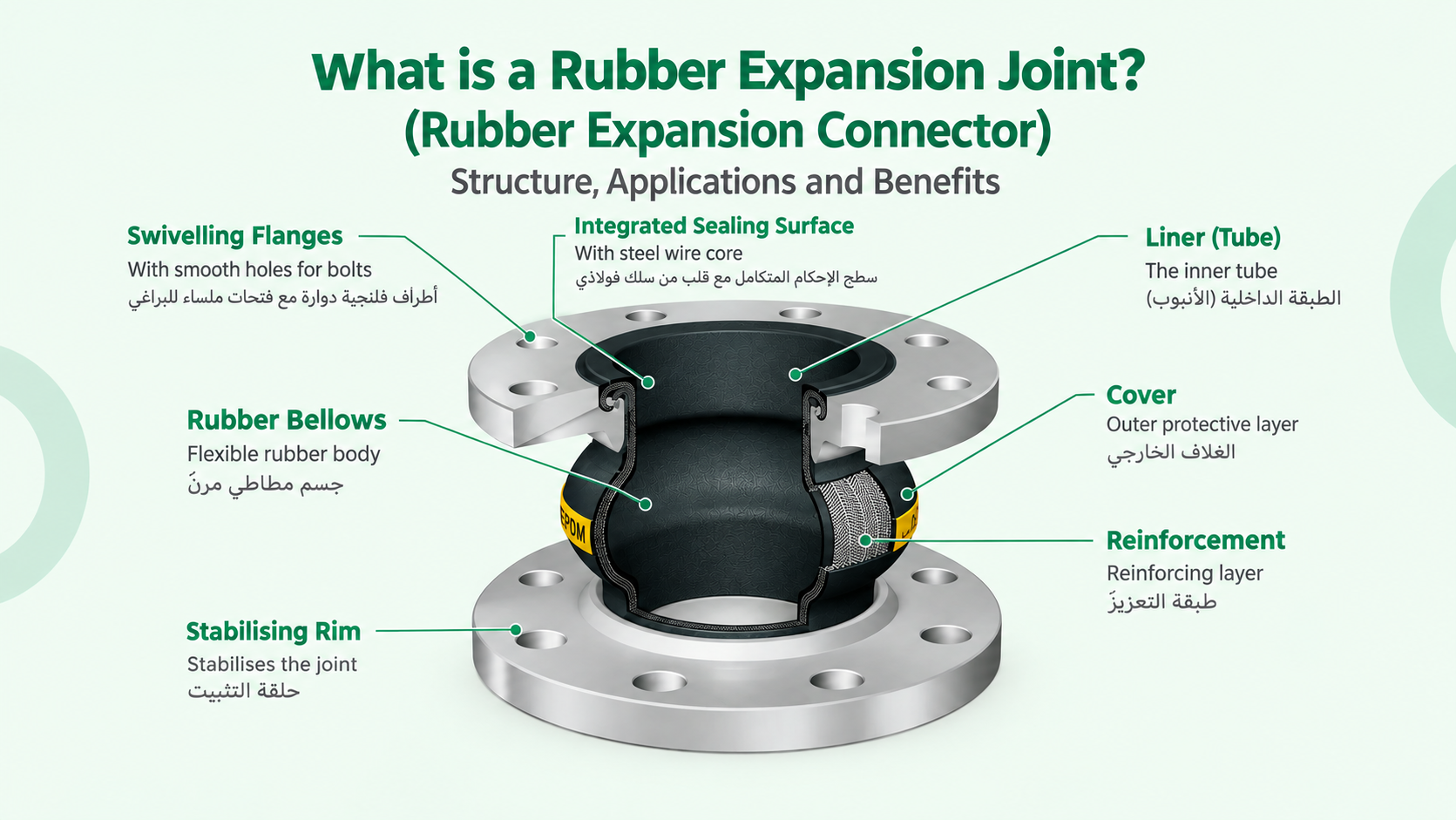
- Manufacturing fabric expansion joints: In smoke ducts, hot air ducts, and industrial chimney systems that need to absorb thermal expansion and flexibility; you can see an example in Klevers Ariana fabric expansion joints.
- Production of ceramic refractory blankets: For insulating furnaces and high-temperature equipment; if you want to learn more about this product, read the article What is a ceramic refractory blanket?
- Base fabric for workwear and fire protective clothing: In industries such as metal smelting, casting, and heavy welding. More details are available in Guide to selecting and purchasing workwear.
- Passive fire protection systems: In walls, penetrations, and ducts of industrial building installations.
Types of Refractory Fabric and Technical Comparison
Choosing the right type of fabric directly depends on the working temperature of the environment and the required level of chemical and mechanical resistance. The three main types of refractory fabric in the Iranian industrial market are:
| Type of Refractory Fabric | Fiber Material | Continuous Working Temperature | Maximum Tolerable Temperature | Main Advantage |
|---|---|---|---|---|
| Silica Fabric | Silica fibers (more than 96% SiO₂) | Up to 1000-1050 degrees Celsius | Up to about 1200 degrees | High thermal resistance with good flexibility |
| Fiberglass Fabric (Glass Fibers) | E-Glass / C-Glass glass fibers | Up to 550-600 degrees Celsius | Up to about 650 degrees | Cost-effective, good chemical resistance |
| Ceramic Fabric (RCF) | Refractory ceramic fibers | Up to 1200-1400 degrees Celsius | Up to about 1600 degrees | Maximum thermal resistance among industrial fabrics |
All three types are available in different thicknesses and weights (in grams per square meter) and also with different surface coatings (such as vermiculite, graphite, aluminum foil, or silicone), each with its own specific application. To see the full range of Klevers Ariana fabric products, you can refer to the Fabrics page.
Technical Specifications to Check When Choosing
Before purchasing, inquire about these technical specifications from the supplier:
- Continuous and peak working temperature: Compare the actual operating environment temperature with the permissible temperature of the fabric.
- Fabric weight and thickness (grams per square meter): Higher weight usually means longer service life and greater mechanical resistance.
- Weave type: Plain, satin, or twill weave, which affects the flexibility and abrasion resistance of the fabric.
- Surface coating: Vermiculite and graphite for resistance to welding sparks, aluminum foil for reflecting radiant heat.
- Tensile and abrasion resistance: Especially in applications where the fabric is moving or under tension (such as expansion joints).
- Compliance with flame and heat test standards: A valid test certificate guarantees the actual performance of the product in critical conditions.
International Standards for Refractory Fabric
To ensure the quality and actual performance of the fabric, the following two international standards are the main references of the industry:
- ASTM D6413: Standard test method for vertical flame resistance of textiles. This method measures the duration of flame continuation after the ignition source is removed, the amount of afterglow, and the char length of the fabric, and is the main acceptance criterion for heat-resistant fabrics in the industry.
- ISO 11612: International standard for performance requirements of protective clothing against heat and flame, applicable to base fabrics for flame-resistant workwear and personal protective equipment.
Compliance of refractory fabric with these standards is a reliable criterion for comparing different products before purchase.
Industrial Refractory Fabric Buying Guide: Key Points
- Accurately determine the actual temperature of the application environment; choosing a fabric with a permissible temperature lower than the actual need is dangerous, and choosing one too high is uneconomical.
- Choose the type of fiber (silica, fiberglass, or ceramic) according to the final application (welding curtain, furnace insulation, expansion joint, etc.).
- Request the flame test certificate and product standard from the supplier.
- Check the dimensions, roll width, and possibility of custom cutting based on project needs.
- If resistance to sparks or thermal reflection is needed, specify the appropriate surface coating (vermiculite, aluminum, or graphite).
- Buying directly from the manufacturer, in addition to a more competitive price, provides the possibility of receiving technical consultation and more sustainable quality control.
Difference Between Refractory Fabric, Refractory Blanket, and Flame-Resistant Workwear
One of the common questions of buyers is what is the difference between refractory fabric, refractory blanket, and flame-resistant workwear. In short: Refractory fabric is the base and raw material, usually supplied in rolls or cut pieces. Refractory blanket (such as ceramic refractory blanket) is a final and thicker product for thermal insulation, and flame-resistant workwear is a product sewn from refractory fabric for personal protection of personnel. In other words, refractory fabric is usually used as the raw material or complementary product, forming the basis for manufacturing these more specialized products.
Where to Buy?
Klevers Ariana Company, with more than two decades of experience, is a leader in supplying and manufacturing the most specialized refractory materials, thermal insulations, and industrial sealing systems in Iran. Klevers Ariana products are manufactured and tested according to international standards API, ASTM, and ISO, and the company’s sales engineering and technical support team is ready to provide specialized consultation for choosing refractory fabric suitable for your operational conditions; from emergency repair projects to extensive reconstruction plans for industrial equipment.
Frequently Asked Questions about Refractory Fabric
1. What is refractory fabric made of? It is usually woven from silica, fiberglass (glass fibers), or ceramic fibers, each with different working temperatures and applications.
2. What is the maximum tolerable temperature of refractory fabric? Depending on the type of fiber, it ranges from about 650 degrees Celsius (fiberglass) to over 1200 degrees Celsius (ceramic).
3. What is the difference between refractory fabric and refractory blanket? Refractory fabric is the base and thinner material, while refractory blanket is a thicker and final product for thermal insulation.
4. Can refractory fabric be washed and reused? Depending on the type of fiber and surface coating, many of these industrial fabrics can be reused, but after repeated exposure to peak temperature, their resistance gradually decreases.
5. What factors does the price of refractory fabric depend on? The type of fiber, working temperature, weight and thickness of the fabric, presence of surface coating, and order volume are the most important factors determining the price of refractory fabric.
Summary and Consultation
Refractory fabric is one of the most fundamental safety and thermal insulation materials in heavy industries, and choosing it correctly helps both personnel safety and the useful life of equipment. To receive free technical consultation and the catalog of Klevers Ariana products, contact us:
Phone: 02191305505 Website: klevers-aryana.com Email: info@klevers-aryana.com